





Tips for Employees Returning to Work After a Long-Term Injury
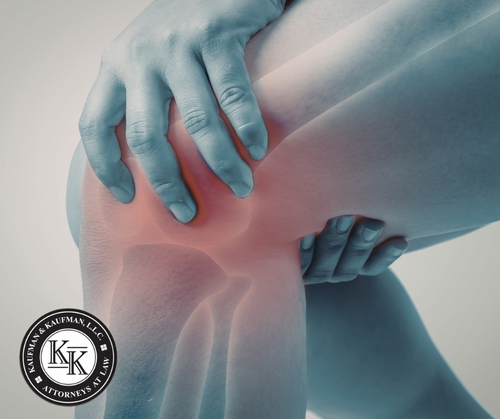
Returning to work after a serious injury can be both encouraging and stressful. Many injured employees look forward to regaining a sense of normalcy, reconnecting with colleagues, and restoring financial stability. At the same time, questions about medical limitations, workplace expectations, and ongoing benefits can create uncertainty.
If you were injured on the job, understanding your rights under workers’ compensation is essential during this transition. Working with an experienced Colorado workers' compensation attorney can help ensure that your return to work doesn’t jeopardize your recovery or the benefits you deserve.
We help injured workers throughout Colorado protect their rights before, during, and after returning to work. Below are important tips to help employees navigate the process safely and confidently.
Make Sure You Are Medically Cleared to Return
Before going back to work, you should have clear authorization from your treating physician. Your doctor will determine whether you’re able to return to:
- Full duty
- Modified duty
- Light duty
- Limited hours
Don’t return to work simply because your employer asks you to or because you feel pressured to do so. Returning before you are medically ready could worsen your injury and potentially complicate your workers’ compensation claim.
Your doctor’s written restrictions should clearly outline:
- Weight-lifting limitations
- Standing or sitting limits
- Repetitive motion restrictions
- Required breaks or reduced hours
If your employer can’t accommodate these restrictions, you may still be entitled to workers’ compensation wage benefits.
Understand Modified or Light-Duty Work
Many injured employees return to work in a modified role while they continue to recover. Modified duty allows you to perform tasks that fit within your medical restrictions.
Examples of modified duty may include:
- Administrative tasks instead of physical labor
- Reduced lifting requirements
- Limited hours or flexible scheduling
- Temporary reassignment to a different department
Employers often offer modified work as a way to help employees transition back into the workplace safely.
However, not every light-duty assignment is appropriate. If a job still exceeds your medical restrictions, you should speak with an attorney before accepting it. We regularly help injured workers evaluate whether modified duty offers comply with Colorado workers’ compensation rules.
Follow Your Doctor’s Treatment Plan
Returning to work doesn’t mean your medical treatment stops. Continuing your treatment plan is critical for long-term recovery and for protecting your workers’ compensation benefits.
Be sure to:
- Attend all scheduled medical appointments
- Follow physical therapy recommendations
- Take prescribed medications as directed
- Report any worsening symptoms immediately
Failing to follow your doctor’s instructions could give insurance companies an excuse to reduce or terminate your benefits. Our attorneys can help ensure that your medical care continues to be covered while you recover.
Report Any Problems Immediately
If your injury worsens after returning to work, notify both your doctor and your employer right away.
Common warning signs include:
- Increased pain or swelling
- Loss of mobility
- Difficulty performing assigned tasks
- New symptoms related to the original injury
Workers sometimes try to push through pain to prove they’re ready to work again. Unfortunately, this can lead to reinjury and complicate your workers’ compensation claim.
If your employer asks you to perform tasks outside your medical restrictions, document the request and consult with a Colorado workers' compensation attorney as soon as possible.
Be Cautious When Communicating with Insurance Companies
Insurance companies often monitor injured employees who are returning to work. They may contact you for updates or request statements about your condition.
Remember:
- You’re not required to provide recorded statements without legal guidance
- Anything you say may be used to reduce your benefits
- Insurance companies are focused on minimizing costs
Before answering detailed questions from the insurer, it can be helpful to speak with an experienced attorney who understands how these conversations may affect your claim.
Seek Legal Guidance if You Feel Uncertain
Returning to work after a long-term injury is a major step in your recovery. While many transitions go smoothly, others involve disputes over medical restrictions, job duties, or benefits.
An expert in workers’ comp can help you:
- Protect your benefits
- Ensure your medical restrictions are respected
- Address disputes with employers or insurance companies
- Secure permanent disability benefits if necessary
Our attorneys have extensive experience representing injured workers across Colorado. Our team understands the challenges employees face when returning to work and works diligently to protect their rights throughout the recovery process.
Contact us for Help with Your Workers’ Compensation Claim Today
If you’re preparing to return to work after a workplace injury—or if you are experiencing problems with your claim—legal guidance can make a significant difference.
Our skilled Colorado workers' compensation attorney can review your case, explain your rights, and help you move forward with confidence. Protect your recovery and your future by ensuring your workers’ compensation claim is handled properly from start to finish. Schedule your initial consultation today!